


When summer arrives, industrial filtration is rarely the first thing on anyone's mind. Yet, seasonal shifts bring quiet operational challenges that can noticeably impact system performance. As ambient temperatures rise, air density drops, fundamentally altering airflow dynamics across industrial facilities.
This reduction in air density directly influences the actual volumetric flow rate, changes dust transport velocity, and can even compromise system draft stability. While these thermal variations might seem subtle on paper, their cumulative effect on filtration efficiency is anything but minor.
Warm weather doesn't just affect the air—it changes the physical characteristics of the dust itself.
A rising average differential pressure rarely stays contained within the filtration unit—it impacts the entire plant's bottom line.
As pressure drops increase, system fans are forced to draw more power to maintain required airflow. This direct increase in energy consumption drives up daily operational costs while placing severe mechanical stress on fan assemblies and filter components. Without proactive monitoring, this seasonal workload can drastically accelerate wear on filter bags or cartridges, leading to premature—and expensive—replacements.
Seasonal heat is inevitable, but efficiency losses aren't. To keep your system optimized through the warmer months, focus on three key operational checks:
Understanding how summer conditions influence air density, dust behavior, and fan performance allows plant managers to stay ahead of the curve. With targeted monitoring and minor seasonal adjustments, you can maintain optimal filtration efficiency, cut energy overhead, and extend the lifespan of your equipment year-round.
However, if your summer audit reveals that your current components are struggling to handle the thermal load, it might be time for an upgrade. Fai Filtri’s industrial aftermarket solutions are engineered for complete interchangeability—allowing you to quickly swap out underperforming components without unscheduled downtime.
Explore Fai Filtri’s Industrial Aftermarket Solutions Today.
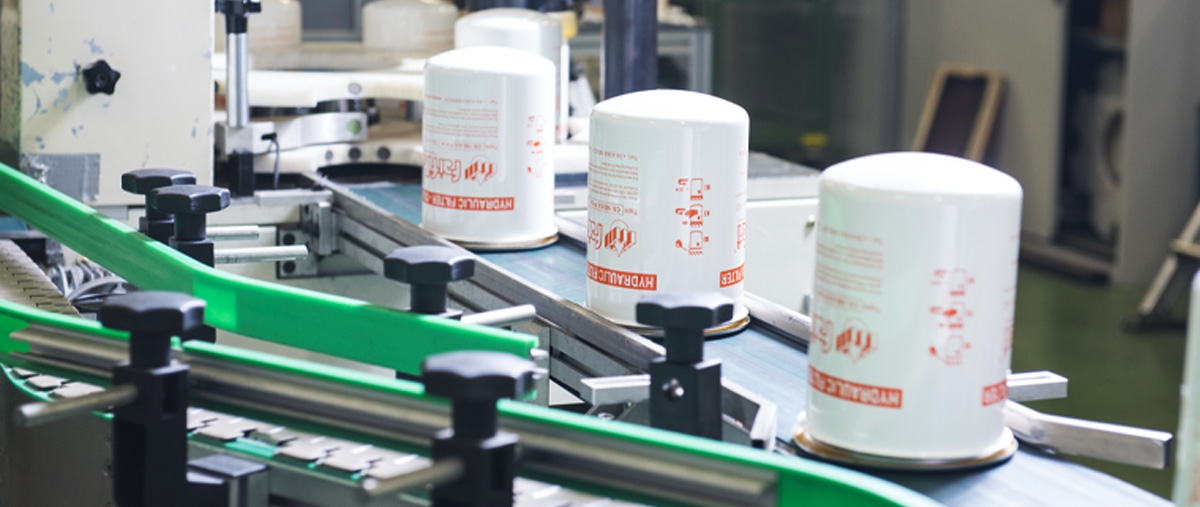
Spin-On Hydraulic Filters That Trap More Contaminants While Keeping Pressure Drop Low
Consistent performance over time, even in the most demanding applications
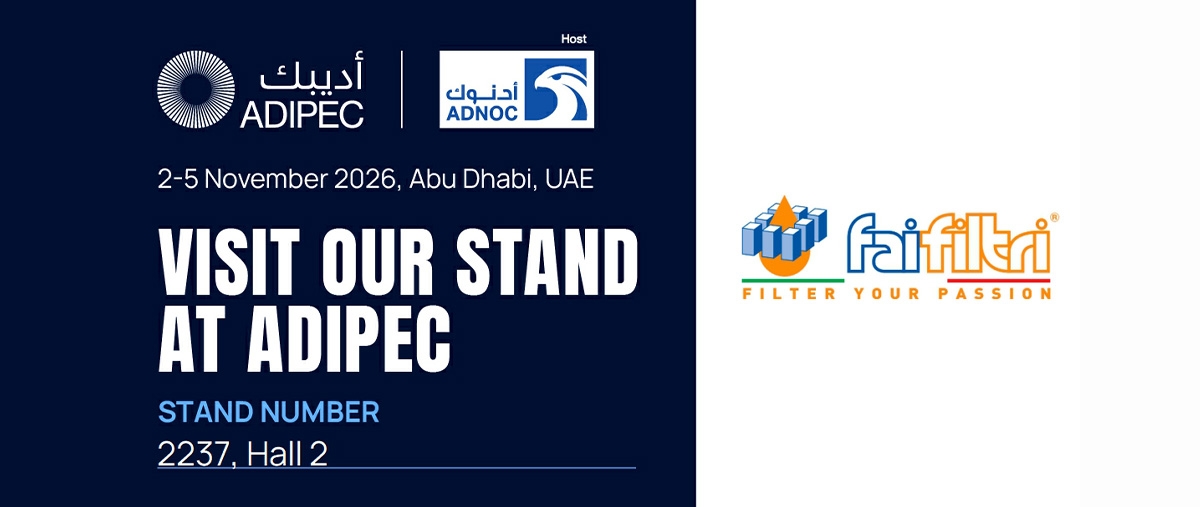
Events: November 2026_ADIPEC
From November 2nd to 5th, we will be attending the 2026 edition of ADIPEC
Why High-Quality Industrial Filters Protect Your Bottom Line
The hidden cost of cheap filtration