




Filtration stands as a cornerstone in countless industrial operations and, while its core aim—stripping out contaminants from a stream—remains constant, there’s no one-size-fits-all approach. A filter’s design—its materials, shape, energy demands, and maintenance needs—is dictated entirely by the specific medium it has to handle.
For liquids, key factors like viscosity, particle load, and flow velocity come into sharp focus: lighter fluids allow for finer filtration, whereas denser fluids demand robust, corrosion-resistant systems with large surface areas to prevent clogging and ensure reliability. For gases, the goal is to maximize particle capture without creating a major pressure drop that kills energy efficiency. This can require specialized adsorbent or catalytic materials, while flammable flows require antistatic solutions to ensure safety. With solids, the emphasis shifts to dust containment and process continuity, often requiring cleanable filter media for fine particles and reinforced structures to handle abrasive materials. There is more complexity in cases where multiple phases are combined, such as gases carrying liquids or suspended solids. The design would then require a hybrid solution capable of delivering a steady performance without a massive spike in energy consumption.
Today’s design landscape is increasingly focused on pushing innovation with tech and eco-conscious strategies. Integrated sensors now allow real-time monitoring of operating conditions to predict and prevent blockages, while regenerable filter media reduce waste and extend component life. Advanced materials like nanofiber membranes can capture ultrafine particles without significantly impacting energy consumption, and the circular approach increasingly favors recyclable or biodegradable materials.
Ultimately, crafting an industrial filter hinges on the specific medium it tackles. Liquids, gases, and solids each present unique hurdles and require specific solutions, but what every project has in common is the need to combine high performance, reliability, and sustainability. Advances in materials and digital integrations are reshaping filtration into an increasingly sharper, more versatile, and powerhouse domain, poised to anchor tomorrow’s industrial landscape.
At Fai Filtri, we start with your needs to design the perfect filter. Based on your requirements, we select the most suitable design to ensure maximum performance and efficiency. Contact us and discover the solution tailored to your needs: https://www.faifiltri.it/en/contacts/
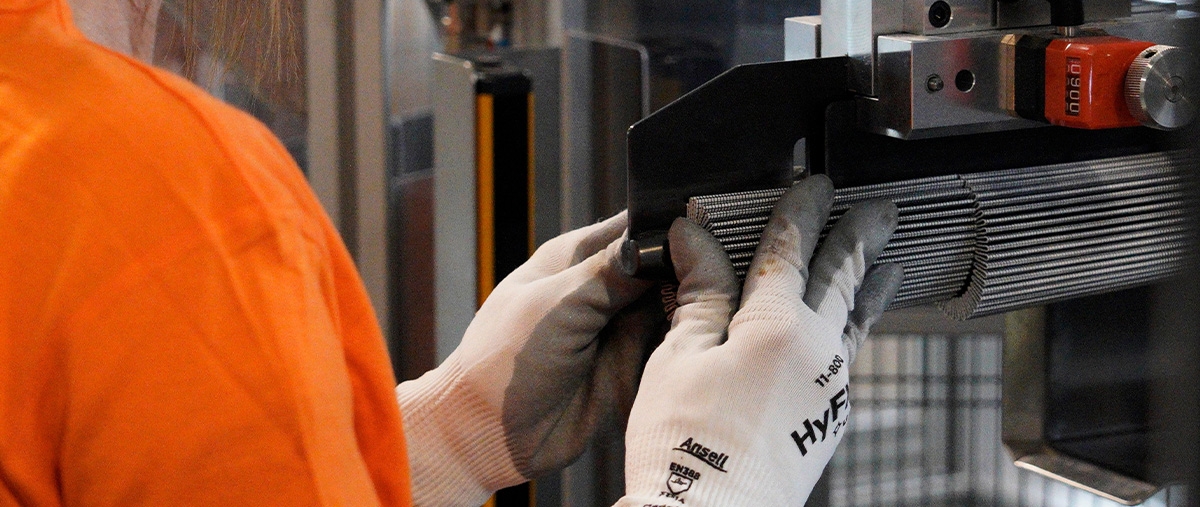
Why High-Quality Industrial Filters Protect Your Bottom Line
The hidden cost of cheap filtration
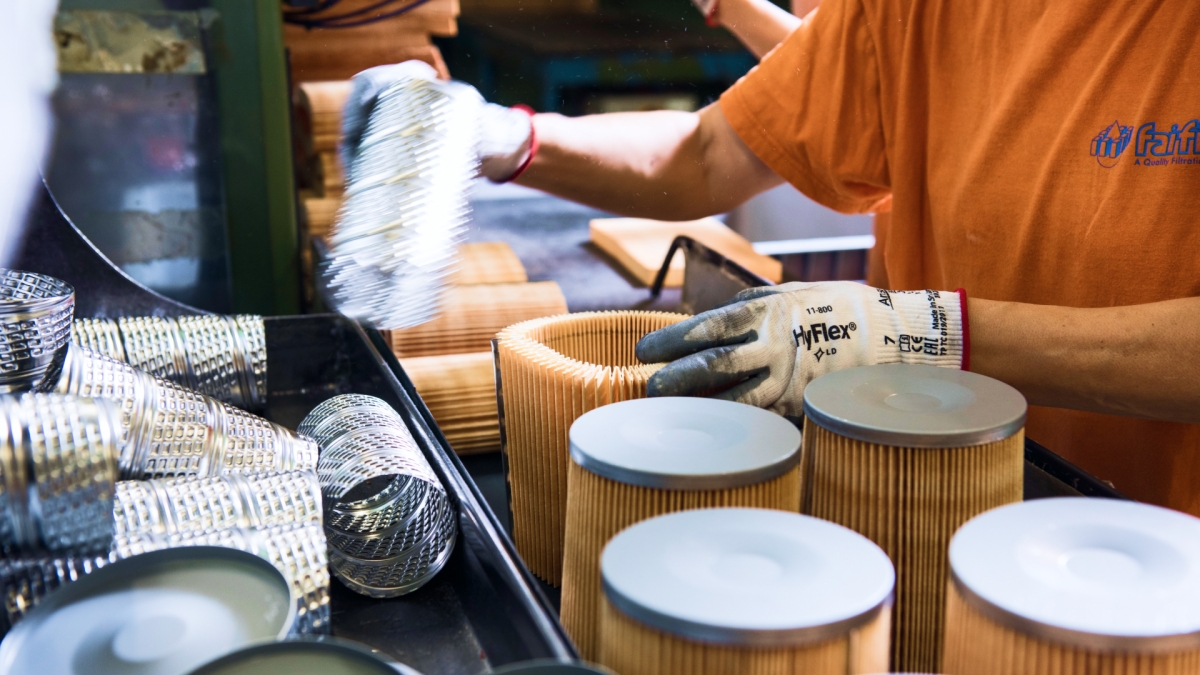
Summer Heat Impacts Industrial Filtration Efficiency
The hidden effects of seasonal thermal changes on dust behavior, pressure drops, and your bottom line.
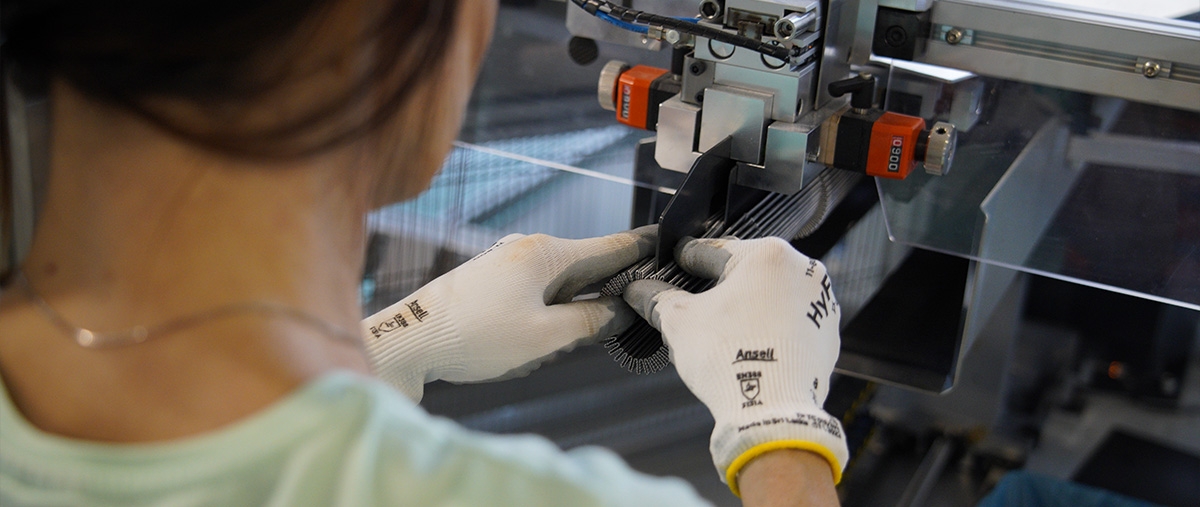
Beyond Automation: The Human Element in Industrial Filter Manufacturing
Behind Every filter lies the irreplaceable value of the human factor.