

The manufacturing world is obsessed with automation. We constantly hear about efficiency, speed, and cutting costs. But we rarely talk about what algorithms still cannot do.
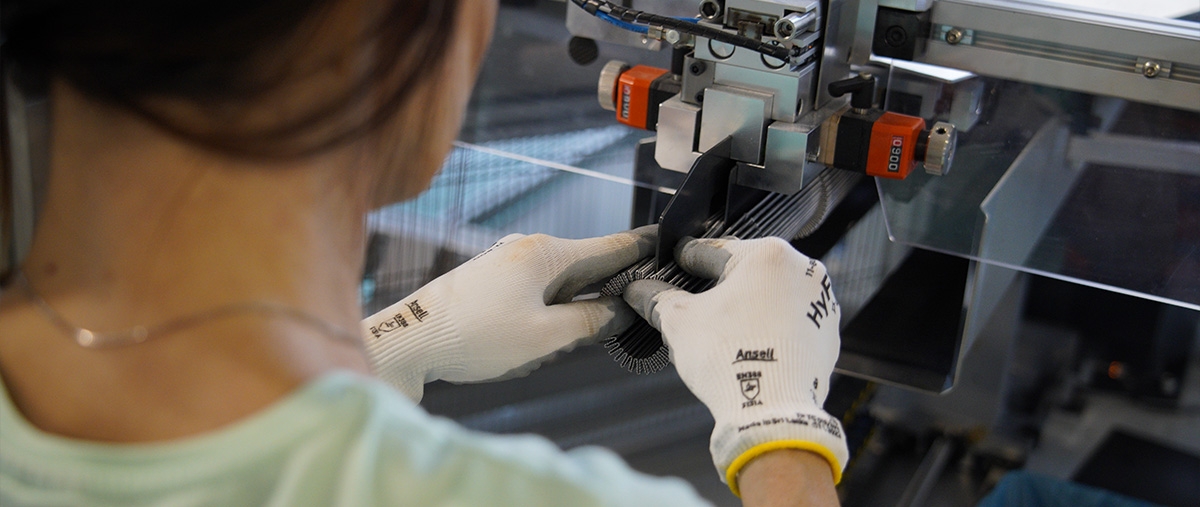
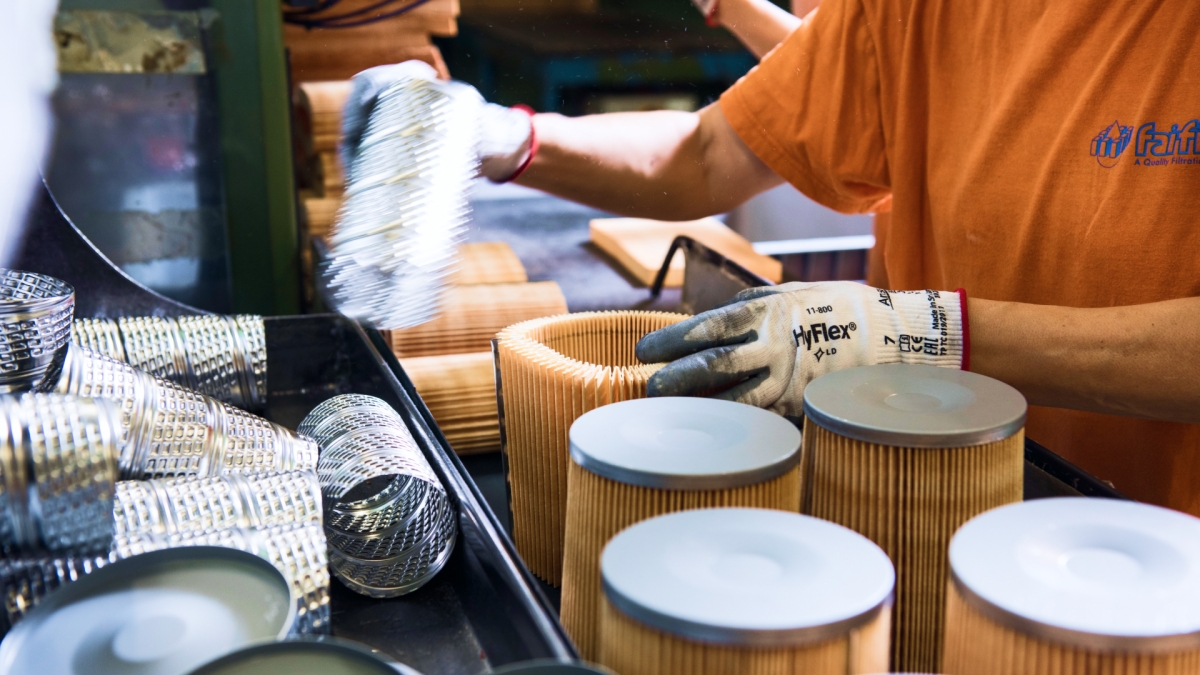
While technology has undeniably transformed the industrial filtration sector, machines still have a hard limit. Production lines are faster and more standardized than ever, yet in every facility that produces high-quality filters, there is a critical moment when a person—not a machine—makes the ultimate difference.
An industrial filter is not just anothery component. It is a critical element that often operates under extreme conditions: varying pressures, high temperatures, aggressive chemicals, and intense duty cycles. A defect—even a minor one—can result in production downtime, damage to machinery, and a decline in the quality of the final product.
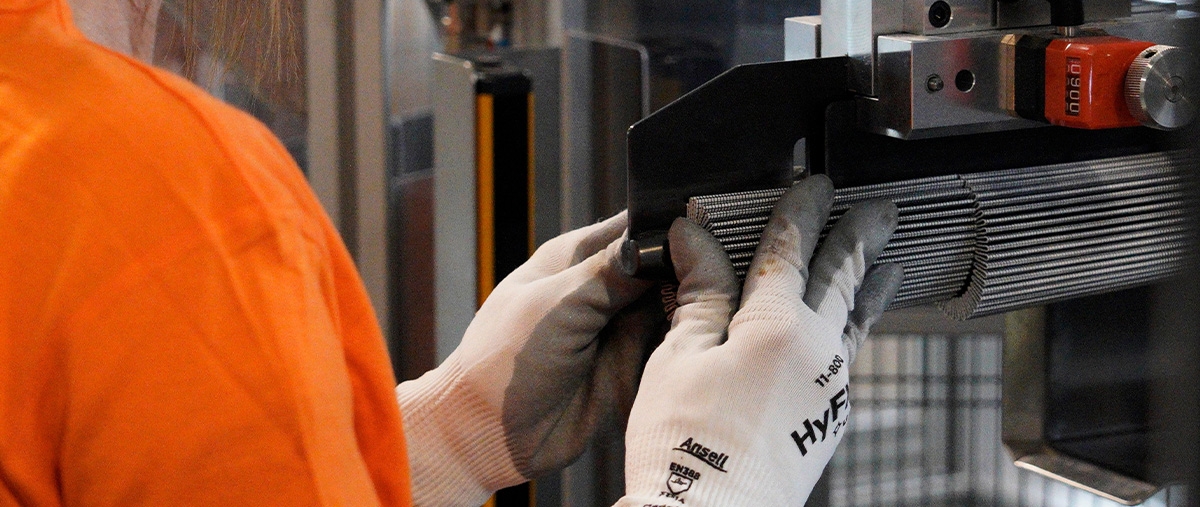
The challenge? Certain defects cannot simply be measured; they must be recognized.The problem is that certain defects cannot be measured. The tension of a gasket that doesn’t yield properly, a texture that behaves differently under pressure than expectedit should, or a small irregularity in the structure that a sensor fails to detect but that an experienced operator notices immediately—these are the subtle differences that separate a reliable filter from one that fails in the field.
Make no mistake: technology has transformed the production of industrial filtration systems for the better. Automated manufacturing has:
· Eliminated repetitive human errors.
· Ensured a level of standardization impossible to achieve manually.
· Dramatically accelerated production times.
· Reduced overall manufacturing costs.
All of this is real and highly valuable. However, automation and human expertise are not in competition—they are complementary.
Machines produce with precision and consistency. People ensure quality through sound judgment and responsibility. Removing either element weakens the entire supply chain.
The industry's best industrial filter manufacturers understand this balance. They design their processes accordingly: leveraging advanced technology where machines excel, and relying on human oversight where experience is irreplaceable.
The specialized know-how that enables a human operator to assess a filter—often before it even goes into the testing phase—doesn’t develop overnight. It is built up over years of on-the-job training, keen observation, and correcting mistakes in the field.
At a time when many manufacturing companies are struggling to retain and train specialized personnel, investing in the transmission of this legacy is a strategic choice.
The perfect industrial filter isn't just the product of a machine that never makes a mistake; it is the result of a machine paired with a person who knows exactly what to look for. It is this powerful combination that makes the difference between a component that merely meets a technical spec sheet, and one that a customer can truly rely on.
Looking for industrial filtration solutions you can trust? Contact our team of experts today to discuss your custom filtration needs, or browse our catalog of precision-engineered filters.

Events: November 2026_ADIPEC
From November 2nd to 5th, we will be attending the 2026 edition of ADIPEC
Why High-Quality Industrial Filters Protect Your Bottom Line
The hidden cost of cheap filtration
Summer Heat Impacts Industrial Filtration Efficiency
The hidden effects of seasonal thermal changes on dust behavior, pressure drops, and your bottom line.