




Today’s industry demands the impossible: absolute purity, flawless efficiency, and total sustainability—all while generating actionable data. It’s easy to forget that the humble filter, a technology often overlooked, is at the heart of meeting this challenge.
But the intelligent, high-performance systems of today are a world away from where it all began. To understand the value of modern filtration, you have to understand its journey from simple mechanics to the smart, sustainable powerhouses of the factory floor.
The Industrial Revolution
The first industrial filtration solutions date back to the Industrial Revolution, with the introduction of filter presses and the first mechanical systems designed to separate solids and liquids by pressure. Using porous materials like ceramics and even asbestos, their primary job was simple but crucial: apply pressure to separate coarse solids and protect new, expensive machinery. As global challenges emerged, the focus expanded during the world wars with the development of gas masks, which laid the foundation for the complex industrial air filtration equipment we rely on today.
As industries like chemicals, mining, and food production became more advanced, "good enough" was no longer good enough. This new era demanded purity, which led to an explosion of specialized systems: chamber and membrane filters, automatic filter presses, and drum filters, each engineered for a specific, high-stakes job.
The Demand for Purity
The 1970s marked a major turning point. In water treatment, Pile Cloth Media Filtration, an advanced textile technology, emerged to dramatically improve cleaning efficiency. Simultaneously, for industries like pharma and food, technologies like ultrafiltration and HPLC began delivering unprecedented levels of purity. This is the era that gave us the HEPA filter, which became the gold standard for critical applications by trapping 99.995% of 0.3 µm particles. Filtration was no longer just about protection; it was about guaranteeing quality.
Entering the new millennium, the challenge evolved again: do more with less. Nanostructured materials were introduced, enabling finer filtration with superior efficiency, all while reducing the pressure drop that wastes energy and drives up costs.
At the same time, growing environmental awareness led to the introduction of biodegradable and recyclable filter media, often made from renewable sources like plant fibers and coconut shells. The modern filter now had to be both economically smart and ecologically responsible.
The Digital Revolution
The latest leap connects hardware to software. By integrating IoT sensors, a filter can now provide a real-time stream of data on pressure, flow, and contamination. Artificial Intelligence (AI) then processes this data to optimize performance and—most importantly—enable predictive maintenance, flagging issues before a costly failure occurs. The filter transformed from a passive component into an active, intelligent partner.
Choosing a Partner for the Next Chapter
This historical overview proves that a filter is never "just a filter." It's a critical component that directly impacts your performance, your efficiency, your product quality, and your bottom line. Each stage of this evolution has added a new layer of expectation, and a modern filtration partner must deliver on all of them.
Is it possible to find a cheaper filter? Perhaps. But the smartest investment isn't in the lowest-priced component, but in the most economical solution for the long term—a solution engineered for quality, designed to extend the life of your machinery, and built to prevent a single moment of unnecessary downtime.
That’s the difference between buying a part and investing in a partnership for the future.
Let us show you the difference a true partnership can make. Request a free consultation to analyze your current filtration strategy: https://www.faifiltri.it/en/contacts/
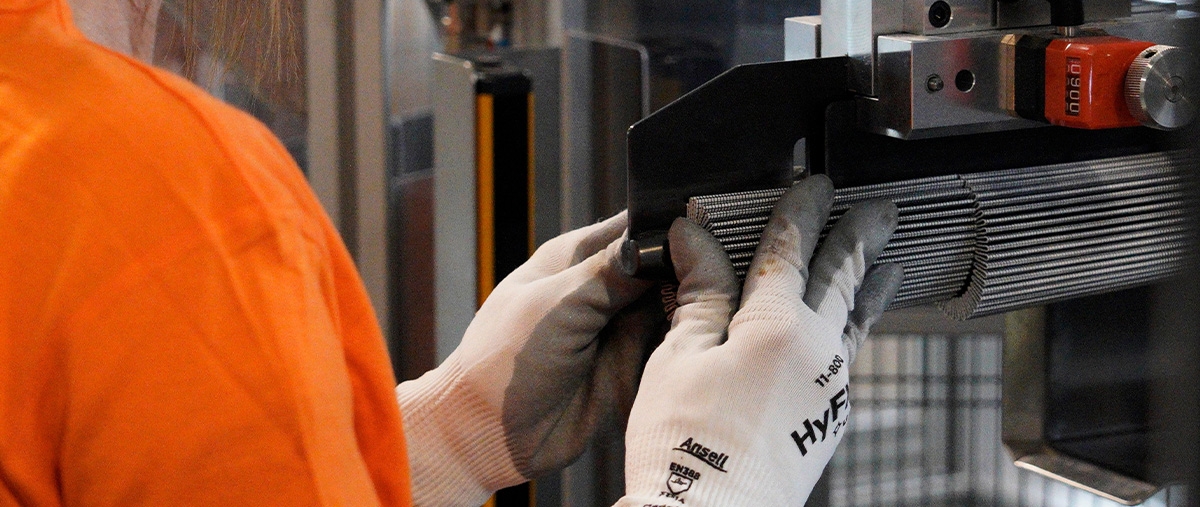
Why High-Quality Industrial Filters Protect Your Bottom Line
The hidden cost of cheap filtration
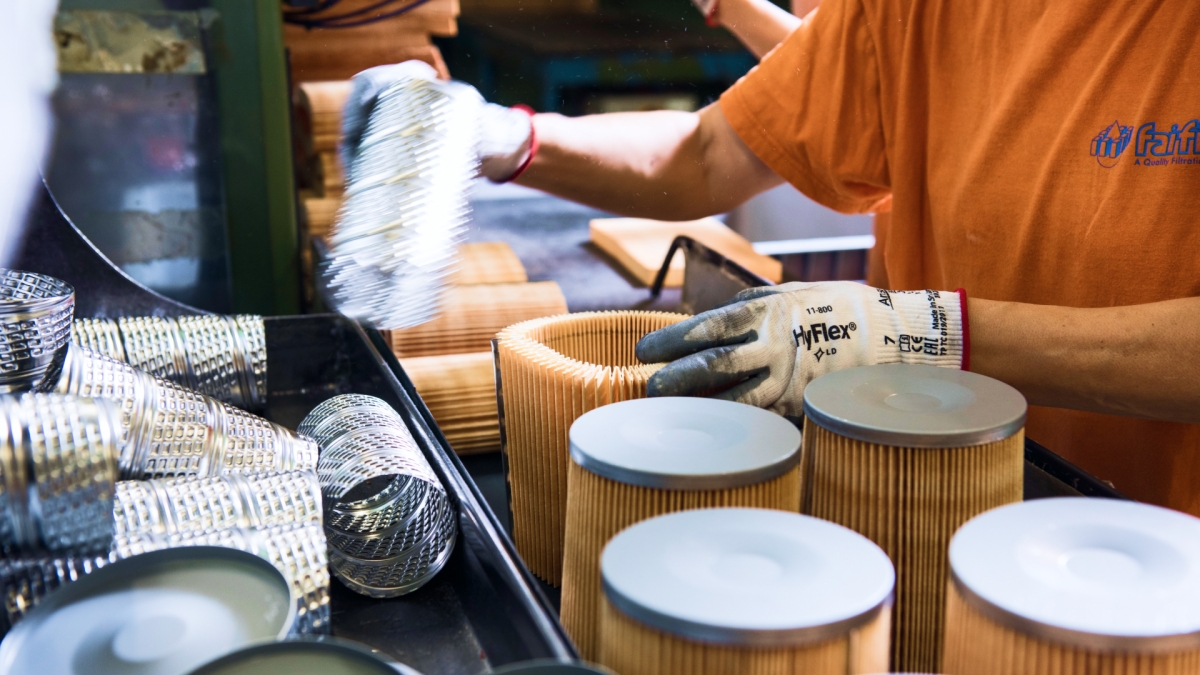
Summer Heat Impacts Industrial Filtration Efficiency
The hidden effects of seasonal thermal changes on dust behavior, pressure drops, and your bottom line.
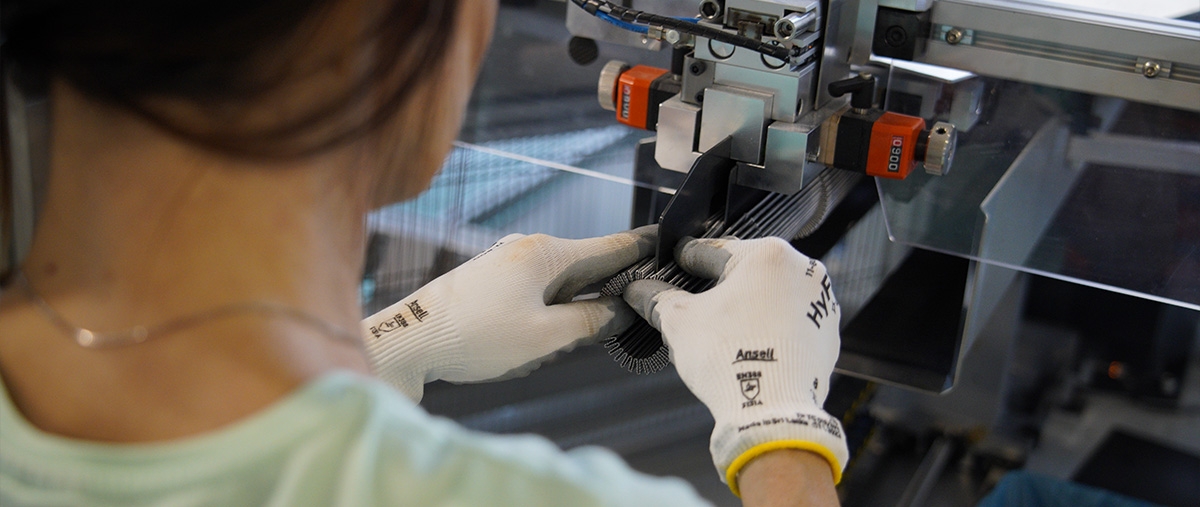
Beyond Automation: The Human Element in Industrial Filter Manufacturing
Behind Every filter lies the irreplaceable value of the human factor.