

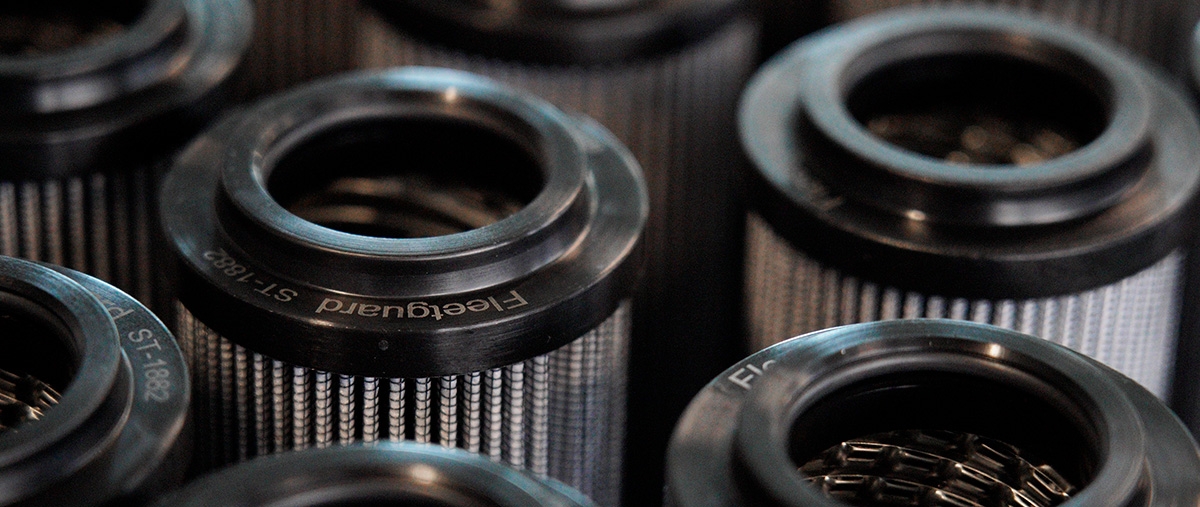

In recent years, the industrial filter industry has experienced remarkable expansion, transforming from a largely invisible technical sector into a strategic component of global industrial development. This growth is no accident; it is the result of structural factors redefining how companies manufacture, manage resources, and address environmental challenges.
Market data confirms this trend. The global value of industrial filters is projected to grow steadily across nearly every facet of heavy manufacturing, with estimates indicating the market could double within the next decade.
A primary driver of this expansion is the operational pressure placed on modern facilities. This shift is characterized by three main factors:
1. Tightening Environmental Compliance
As governing bodies impose strict limits on atmospheric emissions and wastewater discharge, companies are forced to integrate highly efficient filtration systems. This regulatory pressure has elevated filters from simple replacement parts to critical assets for maintaining compliance and operational continuity.
2. Occupational Health and Safety
In heavy industrial settings, the presence of fine particulate matter and airborne chemicals poses severe risks to the workforce. Consequently, plants are actively upgrading their filtration infrastructure to capture hazardous substances and guarantee safe air quality, mitigating both health risks and corporate liability.
3. The Transition to Sustainable Production
Industrial filtration is the physical mechanism behind the circular economy—it allows a plant to reduce atmospheric emissions, capture process waste, and treat wastewater for reuse. In this context, advanced filtration systems have become foundational to achieving long-term corporate sustainability targets.
This growth is further accelerated by rapid industrialization in emerging markets. As global infrastructure expands, new facilities require modern technologies capable of meeting strict environmental and production standards from day one, making the global filtration market highly competitive and dynamic.
Technological innovation is the engine behind this evolution. Advanced materials, such as engineered polymers and ceramic media, are drastically improving filter durability and efficiency under extreme conditions. At the same time, micro- and nanofiltration are unlocking unprecedented levels of fluid purity for highly specialized applications. Digitalization is tying it all together, utilizing smart sensors for real-time monitoring and predictive maintenance.
This technological leap spans virtually every heavy industry, from chemical processing and power generation to food and pharmaceutical manufacturing. Water resource management, in particular, is emerging as a critical growth area as plants face mounting pressure to optimize their water usage and minimize waste.
Despite the strong outlook, upgrading a facility's filtration infrastructure presents challenges. The capital expenditure required for the most advanced technologies can pose a barrier, as can the complexity of integrating them into legacy production systems. Furthermore, managing these sophisticated systems requires a highly skilled maintenance workforce.
Ultimately, however, the industrial filter industry sits at the intersection of manufacturing growth and sustainability. Companies that proactively embrace this evolution will not just adapt to change—they will lead their sectors in reliability and efficiency.
Is your facility prepared for the next era of industrial filtration? Contact the Fai Filtri team to discuss how our high-performance interchanges and OEM solutions can protect your machinery and your margins.

Events: November 2026_ADIPEC
From November 2nd to 5th, we will be attending the 2026 edition of ADIPEC
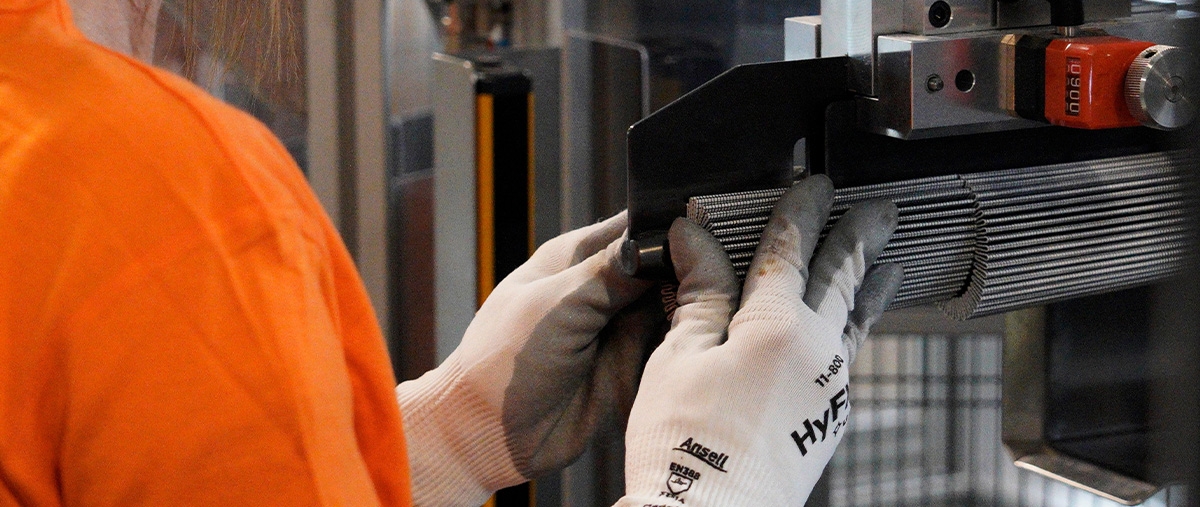
Why High-Quality Industrial Filters Protect Your Bottom Line
The hidden cost of cheap filtration
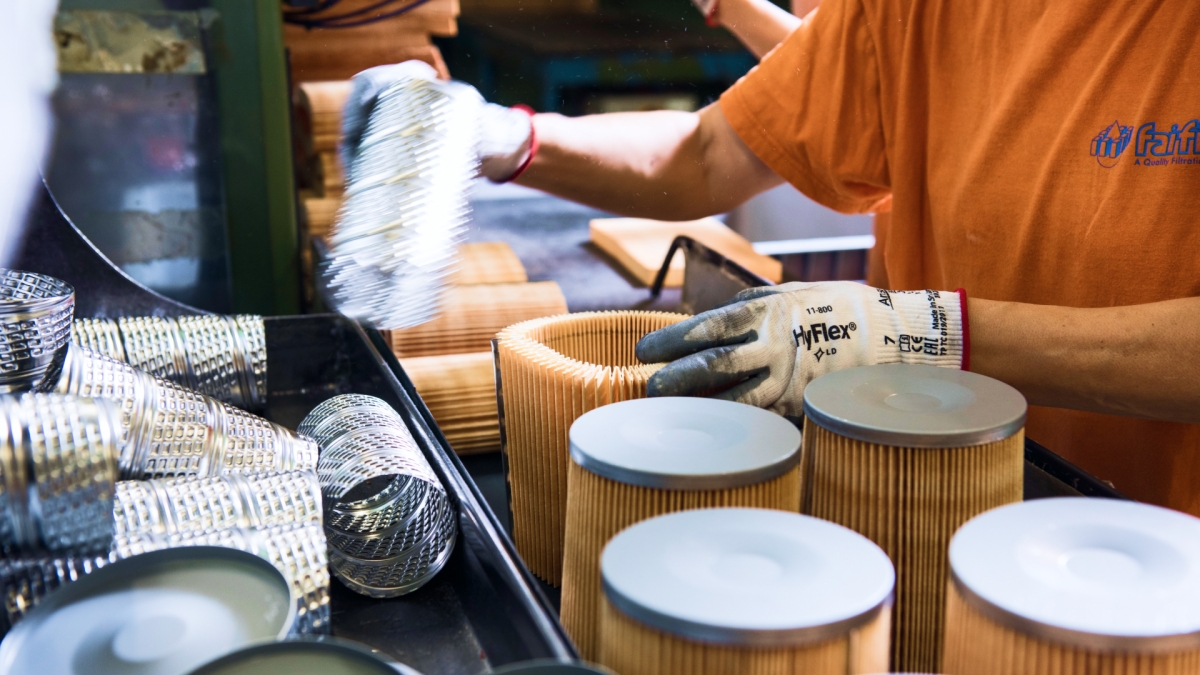
Summer Heat Impacts Industrial Filtration Efficiency
The hidden effects of seasonal thermal changes on dust behavior, pressure drops, and your bottom line.