

Walk into any modern production facility today, and you will notice a distinct shift in priorities. A few years ago, environmental compliance was often treated as an annual checklist item. Today, tightening emissions standards and strict ESG (Environmental, Social, and Governance) criteria dictate how a plant operates on a daily basis. Managing your environmental footprint is now a fundamental part of staying profitable.
If your facility is relying on an outdated or undersized filtration system, you are likely facing a dual threat. There is the immediate risk of regulatory penalties, but there is also a hidden, ongoing drain on your energy efficiency. Industrial filters have evolved from basic maintenance components into strategic assets that protect your bottom line. Let's look at why your current filtration strategy might need a closer inspection.
The Hidden Tax of Pressure Drops
Capturing dust and pollutants is only the first step. The true impact of a filtration system becomes obvious when you look at airflow management. When a poorly designed or clogged filter restricts air, it creates a severe pressure drop within the system. To compensate, your fans and motors have to work significantly harder just to push the same volume of air through the media.
This continuous mechanical stress causes a massive spike in electricity consumption and accelerates component wear. In heavy industrial applications, the energy required to overcome high differential pressure accounts for a surprisingly large portion of a plant's total operating costs. By upgrading to advanced filter media designed specifically for lower resistance, you can flatten that energy curve. Often, the utility savings alone will pay for the new filter in a matter of months.
The ESG Competitive Edge
Regulatory bodies are no longer the only ones monitoring plant emissions. Customers, supply chain partners, and investors are actively making business decisions based on corporate environmental performance. The modern supply chain demands total transparency, meaning that when OEMs and large distributors audit their partners, sustainability and safety records are heavily scrutinized.
Demonstrating a measurable reduction in atmospheric emissions gives you a clear competitive advantage when securing new contracts. A highly efficient filtration system serves as physical proof that you are protecting both your workforce and the surrounding environment. It turns compliance from a legal headache into a valuable sales asset. On the flip side, failing to contain production pollutants opens the door to crippling fines, unexpected shutdowns, and lasting damage to your reputation.
Engineering Over Price Tags
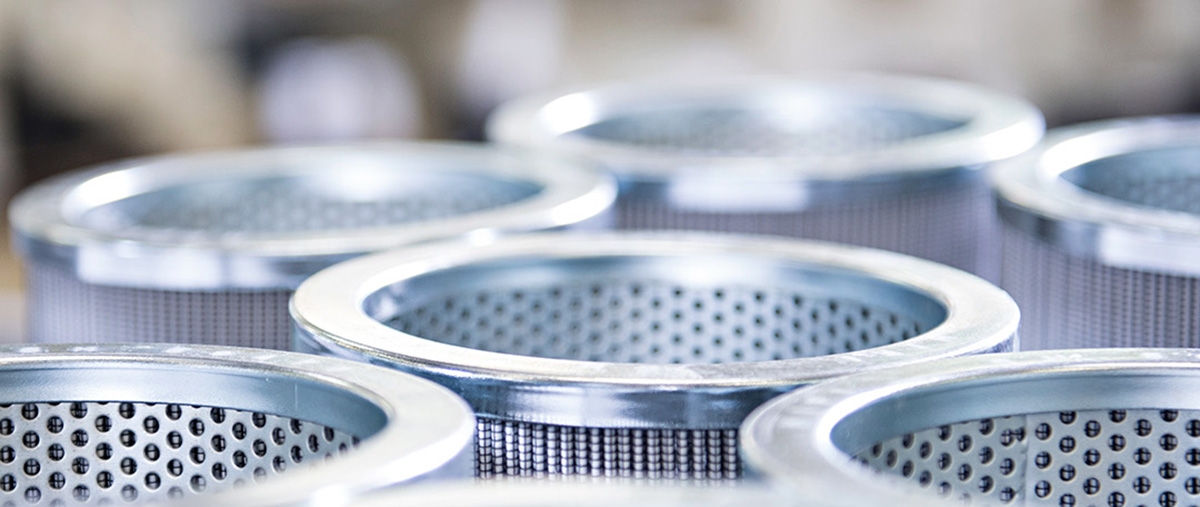
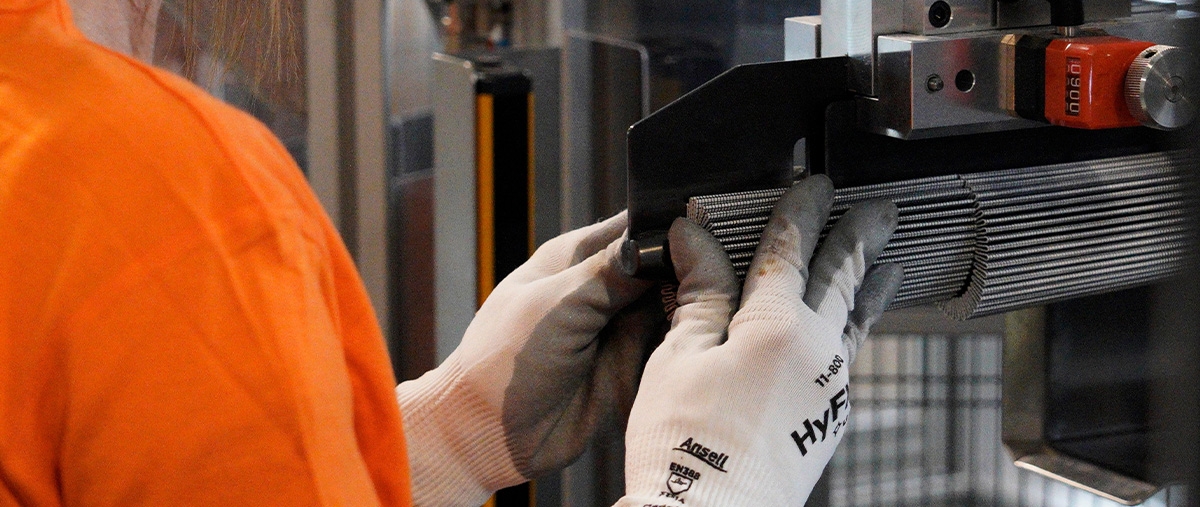
Treating industrial filtration as a one-size-fits-all commodity is a risky approach. Every production cycle generates a unique environmental fingerprint. To capture pollutants effectively without choking your airflow, a filter must be precisely matched to the specific type of dust, the exact micron size of the particulate, the operating temperatures, and the required airflow rates.
Sourcing a filter based entirely on the lowest initial purchase price usually backfires. A cheap filter that blinds over quickly will ultimately cost ten times its purchase price in machine downtime and wasted energy. Achieving long-term compliance requires an in-depth technical analysis to specify the exact filter media and housing for your specific operational environment.
Industry 4.0 and the Future of Compliance
Navigating modern environmental standards requires a true engineering partner. Looking ahead, industrial filtration is becoming deeply integrated with the monitoring and control systems of Industry 4.0. Real-time data collection allows maintenance teams to track pressure differentials continuously and predict exactly when a filter will reach the end of its optimal lifespan. This predictive capability means you can schedule changeouts during planned downtime, rather than scrambling to respond to an emergency alarm or a failed emissions test.
The Bottom Line
At Fai Filtri, we bring the technical expertise and custom design capabilities needed to ensure your systems meet the latest regulations while actively optimizing your plant's energy efficiency. We analyze the specific variables of your operation to deliver solutions that maintain consistent, compliant performance over the long haul.
Stop guessing on your compliance and energy efficiency. Evaluate your current system with our engineering team today and lock in your plant's reliability.

Events: November 2026_ADIPEC
From November 2nd to 5th, we will be attending the 2026 edition of ADIPEC
Why High-Quality Industrial Filters Protect Your Bottom Line
The hidden cost of cheap filtration

Summer Heat Impacts Industrial Filtration Efficiency
The hidden effects of seasonal thermal changes on dust behavior, pressure drops, and your bottom line.